Where the herds will be in January, July, October — and where you should be to meet them.
The migration is a circle, not an event
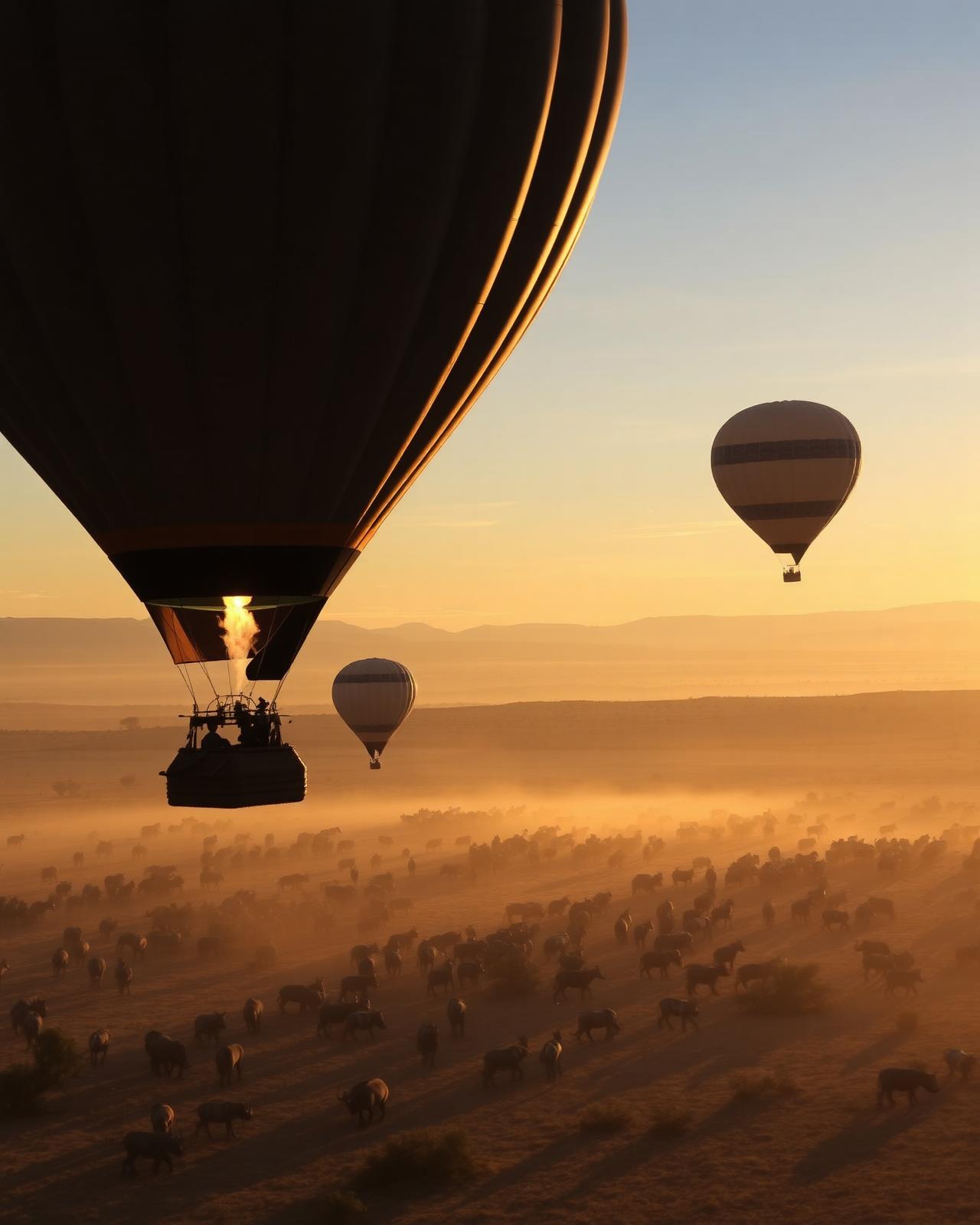
Roughly 1.3 million wildebeest, together with several hundred thousand zebra and gazelle, move through the Serengeti ecosystem in a continuous loop driven by rainfall and grazing. There is no single date to book around — only the question of which chapter you want to witness.
Because rain patterns shift each year, we plan around a region and a window rather than a fixed day. Our guides in Arusha track herd movement weekly and adjust camps where the itinerary allows.
December to March — calving on the southern plains
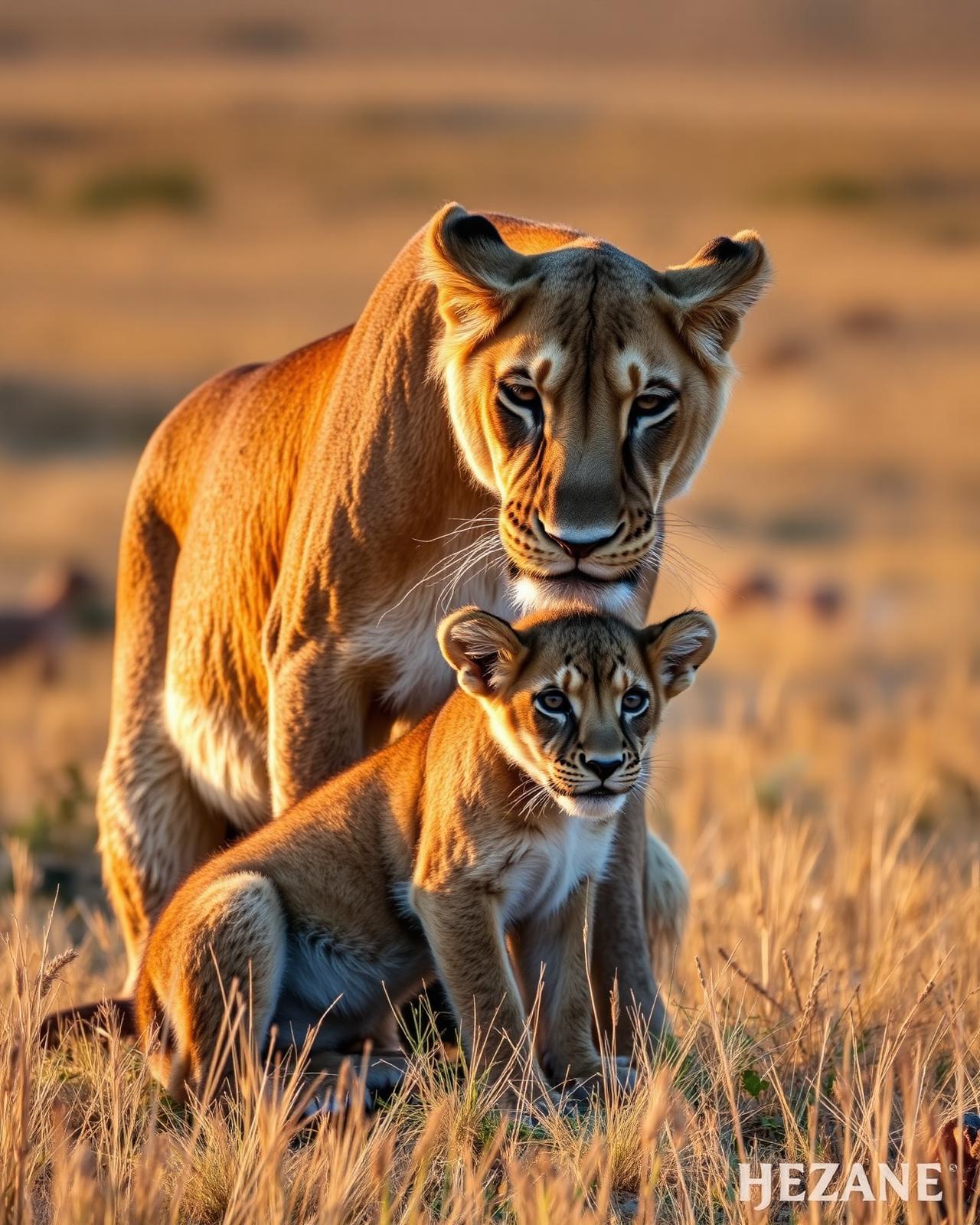
The herds gather on the short-grass plains around Ndutu and southern Serengeti. Around half a million calves are born in a few short weeks in February, and predators follow closely. This is the strongest window for cheetah and lion sightings on open ground.
April to June — the western movement
As the long rains end, the columns move north and west through the Seronera and Western Corridor. Landscapes are green, camps are quieter and rates are lower. Expect some muddy tracks and dramatic skies.
July to September — the Mara River crossings
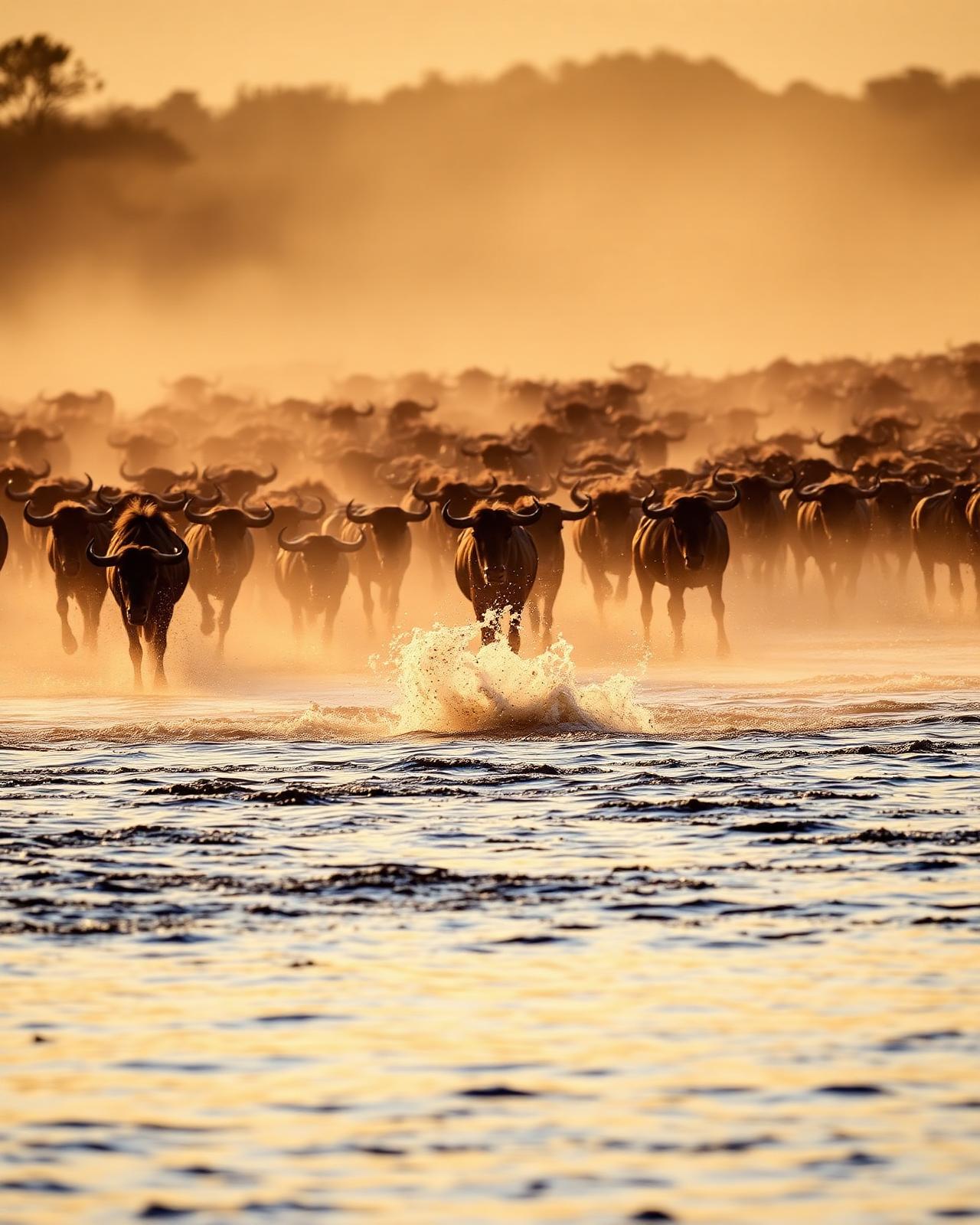
The northern Serengeti is where the river crossings happen. Nothing is guaranteed: herds can wait days at the bank. Plan at least three nights in the north if crossings are your priority, and keep your mornings free.
October to November — the return south
The short rains pull the herds back down through Lobo and the eastern plains. It is an under-appreciated season: fewer vehicles, good resident game and excellent value.